Historical Milestone
1954
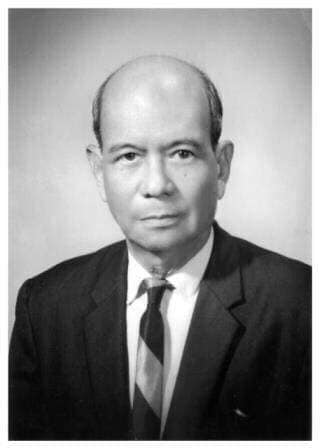
On May 7, Negros Occidental School of Arts and Trades (NOSAT) was established by virtue of Republic Act 848 authored by Rep. Carlos A. Hilado.
The school campus formally opened on July 1 in a 5-hectare land in Talisay City donated by the provincial government with 89 students enrolled in a four-year secondary trade curriculum composed of the following shop courses: Auto Mechanics, General Metalwork, Practical Electricity, Woodcarving, Building Construction, and Furniture and Cabinet Making.
1977
On August 1, the name NOSAT was changed to Negros Occidental College of Arts and Trades (NOCA
1983
On June 10, by virtue of Batas Pambansa Blg. 477, NOCAT amalgamated with Bacolod City National Trade School (BCNTS) and Negros Occidental Provincial Community College (NOPCC) as one state college and was renamed Paglaum State College (PSC).
Additional info:
1970 (Negros Occidental Provincial Community College).
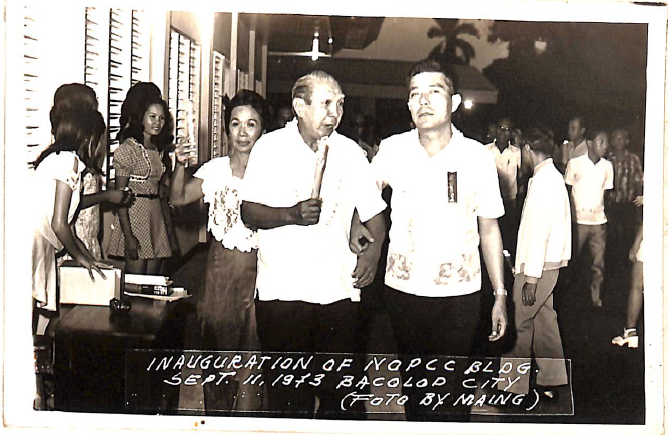
In 1970 under Provincial Board Resolution No. 1, Series of 1970, NOPCC was established. NOPCC conducted all its classes and activities within the grounds of the Negros Occidental High School and Paglaum Sports Complex.
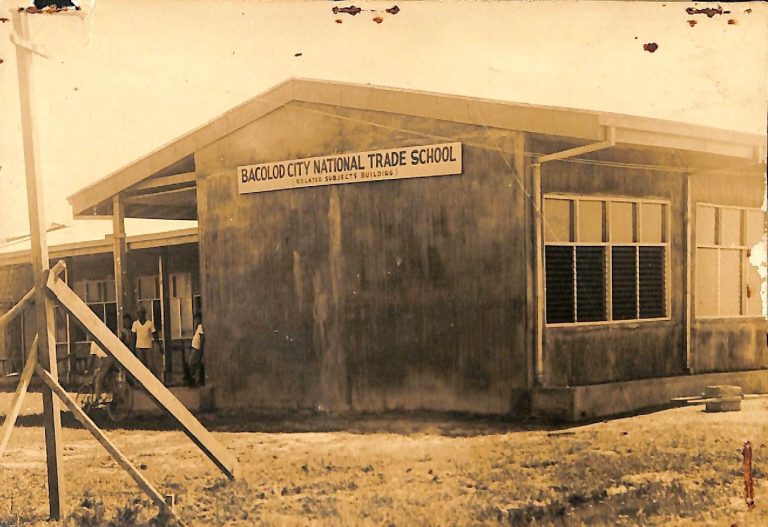
1968 (Bacolod City National Trade School).
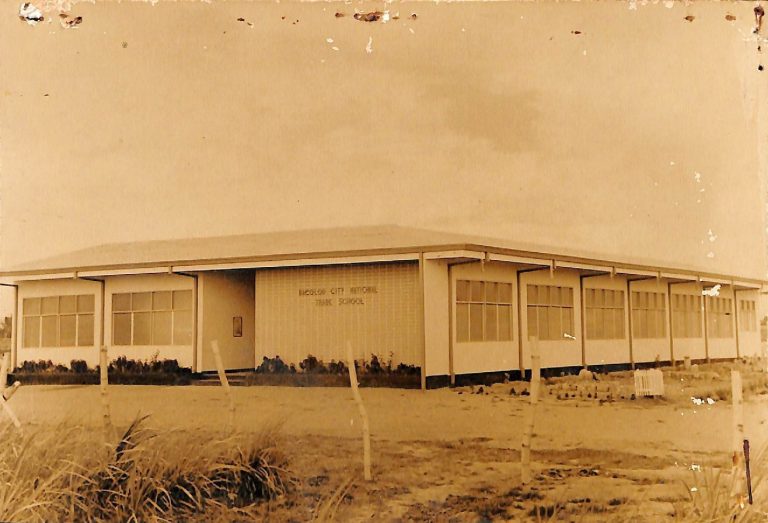
BCNTS in Barangay Alijis, Bacolod City was established in 1968 by virtue of Republic Act 3886 authored by Rep. Inocencio V. Ferrer. The land on which the campus stands was donated by the family of Dr. Antonio Lizares.
1994
1995
2000
On November 24, Negros Occidental School of Fisheries (NOSOF) was converted into a CHED-supervised institution and by virtue of CHMSC Board of Trustees Resolution No. 46, series of 2000 it was made part of the growing CHMSC community. The amalgamation process was only considered complete in 2014 when the school’s budget under the General Appropriations Act (GAA) was unified with CHMSC’s entire budget.
2012
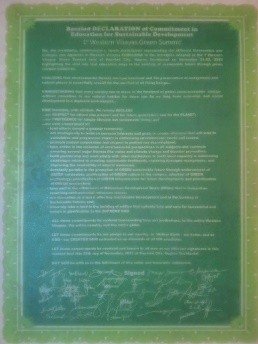
Under the visionary leadership of President Renato M. Sorolla, CHMSC launched the Green CHMSC Movement and hosted the 1st Western Visayas Green Summit and signed the Bacolod Declaration of Commitment to Education for Sustainable Development. This pioneering effort paved the way for CHMSC’s transformative journey of the following pillars towards becoming: Green Community (extension), Green Culture, Green Curriculum, Green Research, and Green Technology.
2018
Under the visionary leadership of President Renato M. Sorolla, CHMSC launched the Green CHMSC Movement and hosted the 1st Western Visayas Green Summit and signed the Bacolod Declaration of Commitment to Education for Sustainable Development. This pioneering effort paved the way for CHMSC’s transformative journey of the following pillars towards becoming: Green Community (extension), Green Culture, Green Curriculum, Green Research, and Green Technology.
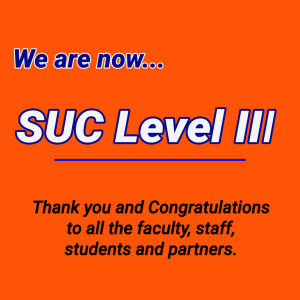
In a CHED Memorandum Order No. 12, Series of 2018, CHMSC was classified as SUC Level III effective June 22.
On July 5, Certification International Philippines, Inc. awarded CHMSC its first ISO 9005:2015 Certification for Quality Management System.
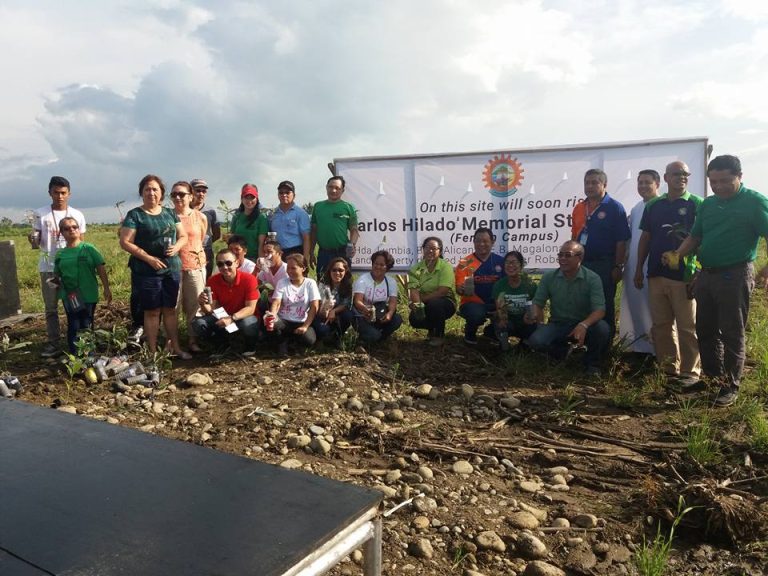
On August 7 Senator Paolo Benigno “Bam” Aquino filed Senate Bill No. 1919 known as “AN ACT CONVERTING THE CARLOS HILADO MEMORIAL STATE COLLEGE IN THE CITY OF TALISAY, NEGROS OCCIDENTAL, AND ALL ITS SATELLITE CAMPUSES LOCATED IN THE CITIES OF TALISAY AND BACOLOD AND IN THE MUNICIPALITY OF BINALBAGAN, ALL IN THE PROVINCE OF NEGROS OCCIDENTAL, INTO A STATE UNIVERSITY TO BE KNOWN AS THE CARLOS HILADO MEMORIAL STATE UNIVERSITY, AND APPROPRIATING FUNDS THEREFOR.”
On December 7 the Villafranca Family through its Carmen Agricultural Development, Inc. donated to CHMSC a 3-hectare lot in Barangay San Jose, Binalbagan for the purpose of establishing various academic programs such as but not limited to arts, agriculture, business, criminology, and education in the future. A Memorandum of Agreement was signed between CHMSC and the Villafranca Family pending the transfer of land title to the school.
2012
Under the visionary leadership of President Renato M. Sorolla, CHMSC launched the Green CHMSC Movement and hosted the 1st Western Visayas Green Summit and signed the Bacolod Declaration of Commitment to Education for Sustainable Development. This pioneering effort paved the way for CHMSC’s transformative journey of the following pillars towards becoming: Green Community (extension), Green Culture, Green Curriculum, Green Research, and Green Technology.